 Local Battery Installers
Hardware · Case file
GivEnergy administration: what existing owners should do
Updated
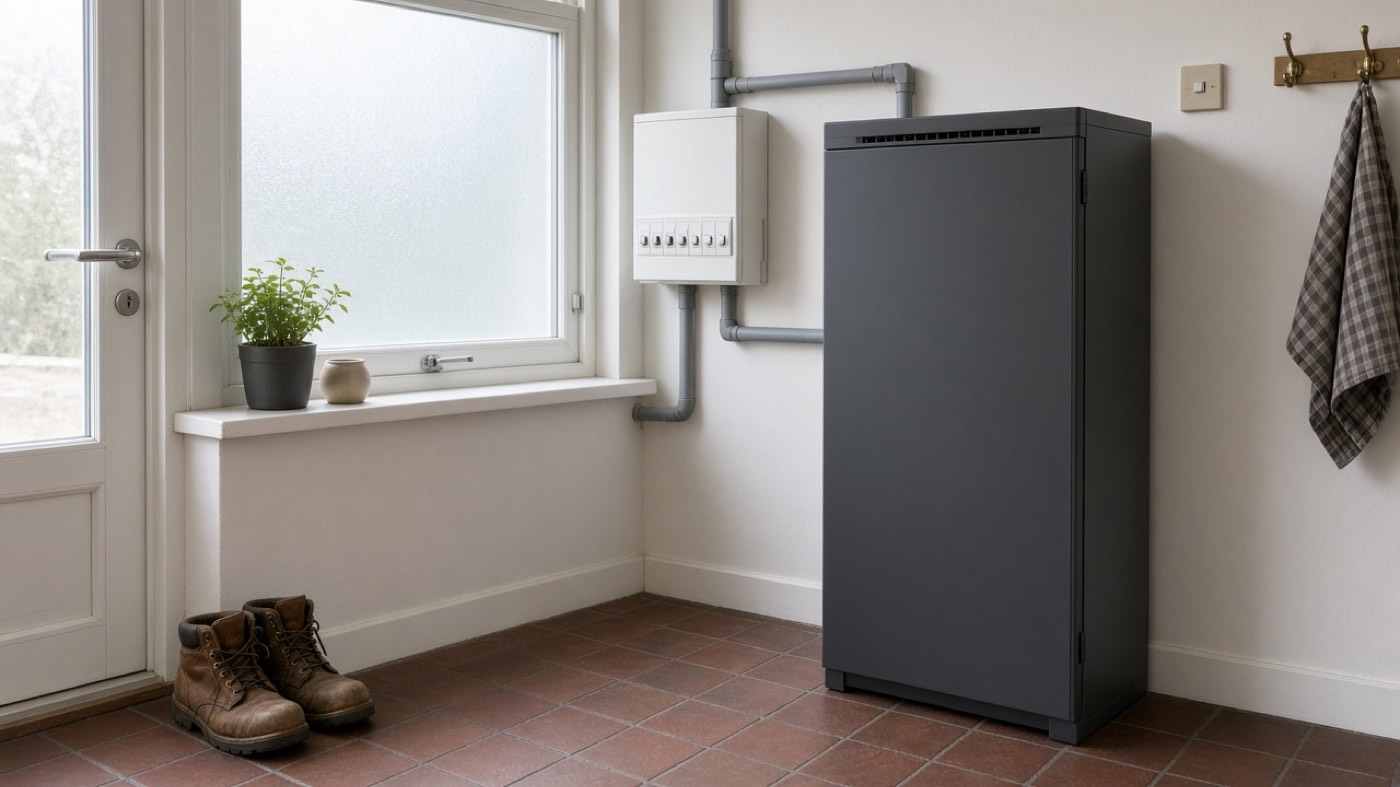
In April 2026 trade reporting said GivEnergy Ltd had entered administration, stopped trading and was not honouring manufacturer warranties. Existing batteries can keep working because they do not need a cloud login to charge, and the monitoring software has been discussed as a separate company.
The ownership question
Confirm the live position on Companies House and with the original installer before you buy, sell or rely on cover. This site is not a legal notice and company status can change. GivEnergy advertised long warranties, sometimes discussed as 12 years with capacity checks. A warranty is only as good as the company that has to honour it. Whole-home backup was never the default on every GivEnergy model. Some need a separate emergency power supply arrangement. Ask which circuits, if any, are intended to run in a power cut.
Who it still suits: existing owners who need maintenance advice, and buyers only if a written warranty route from someone who will still exist has been shown.
A September 2026 sketch for GivEnergy
Take a 9.5 kWh pack, cycled about 300 times, at 90% round trip. Charge at 7.0p, and value what comes back at 28.4p. Export given up is priced at 8.0p. There are no panels beside this 9.5 kWh pack, so every unit charged comes off the grid. Delivered energy is about 1350 kWh. After charging cost and lost export, the sketch saves about £278 a year. Set that against £3,650 fitted, which is a September 2026 illustration at the temporary 0% residential rate, not a quote. That is a simple payback of about 13.1 years on these assumptions. Nudge the night rate up by 4p and see if you still like it.
In most single-phase houses in Britain, 3.6 kW is in the band where G98 connect-and-notify is often enough. Export can still be capped. Agree that before the inverter is ordered. The sketch uses 9.5 kWh and 0 kWp, which is enough to tell two quotes apart if they assumed something else.
At a steady 600 W evening load, 9.5 kWh lasts about 15.8 hours. A 3 kW kettle only works if the inverter can deliver it. Capacity on the badge does not answer that.
VAT, paperwork, refusal
Where the job is a qualifying install in a home, the 0% rate runs to 31 March 2027 and is due to become 5% after that. This sketch prices the work at £3,650 on that basis. It does not apply to a shop, and it does not apply to a battery you buy and fit yourself.
I would not compare a £3,650 headline with another until usable kWh and the fate of any existing inverter match.
If you already own GivEnergy, do not rip it out because a headline frightened you. Photograph the serial, keep the installer details, and ask them what the warranty path is this month.
Questions worth asking out loud
Is the price on this page a quote?
No. £3,650 is a September 2026 illustration for a 9.5 kWh example at the temporary 0% residential rate. Your survey replaces it.
Will it stay on in a power cut?
Only if a gateway or essential-load board was designed and paid for. A standard grid-tied battery turns off with the grid. On this 9.5 kWh sketch the inverter is 3.6 kW, and backup is still a separate line.
What paperwork should I keep?
Keep the MCS certificate where the job is certified, the electrical certificate, the DNO record, the schematic, the warranty registration and a photo of the schedule. For an illustrated £3,650 job, that folder is part of what you bought.
What if the cheap rate is not 7p?
Then the sketch changes. This page used 7.0p as a charge rate and 28.4p as the rate avoided. A smaller gap means a worse payback. Read the live tariff.