

Quick answer
Fogstar Energy batteries are 51.2 V lithium iron phosphate (LiFePO4) packs, from 5.12 kWh to 32 kWh a unit, that Fogstar sells direct, as batteries alone or with an inverter, but without installation. Most carry a 6 year warranty, the IP65 16.1 kWh carries 10 years and the 20 kWh ECO 8 years, and every warranty booklet we read requires the pack to be installed to Fogstar's instructions and the electrical rules. To fit one legally you need an electrician who notifies the work under Part P in England and Wales and tells the network operator about the inverter under G98 or G99; Fogstar's installer locator lists firms that fit them, including two around Swansea.
- All current Fogstar Energy packs are 51.2 V LiFePO4, so they need an inverter built for a 48 V battery
- Warranty: 6 years on most packs, 8 years on the 20 kWh ECO, 10 years on the IP65 16.1 kWh
- The warranty covers defects, not normal capacity fade, except the 20 kWh ECO's stated 70% after 8 years
- G98 or G99 depends on the inverter, not on the Fogstar pack
- MCS has no battery product standard yet, so the pack itself is not what blocks an MCS certificate
- Fogstar's locator listed 60 Fogstar Energy installers on 27 November 2026
The Fogstar Energy packs on this page
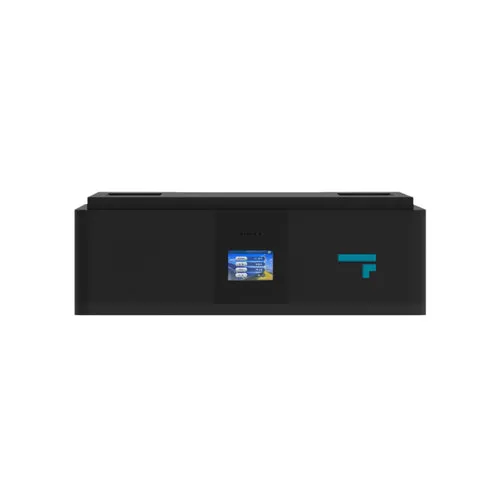
Fogstar Energy Stackable 48V 5.12kWhImage: Fogstar 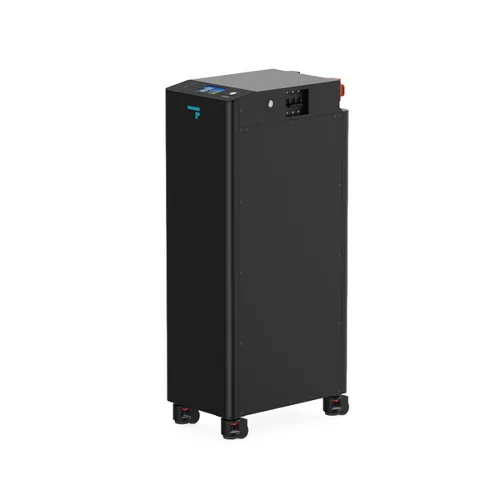
Fogstar Energy ECO 48V 16.1kWhImage: Fogstar 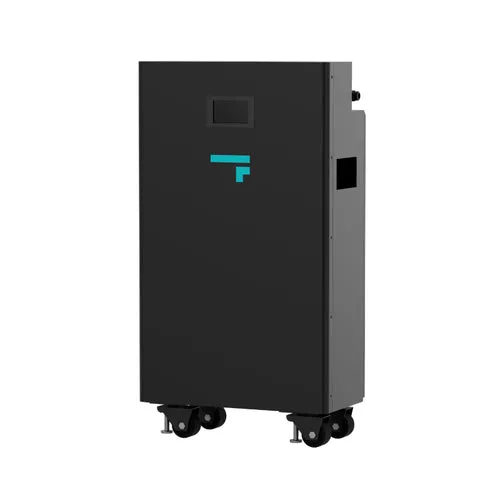
Fogstar Energy IP65-Rated 16.1kWhImage: Fogstar 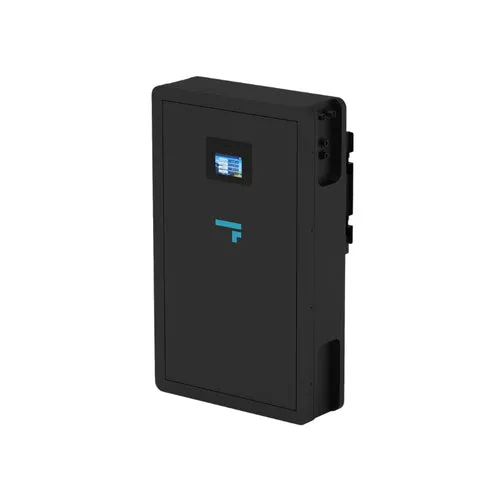
Fogstar Energy IP65-Rated 10kWhImage: Fogstar 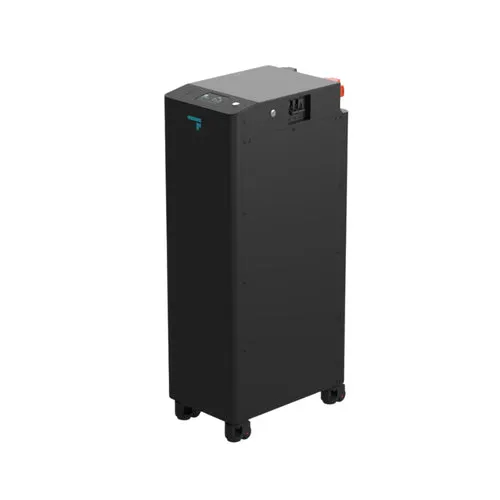
Fogstar Energy ECO 48V 20kWhImage: Fogstar 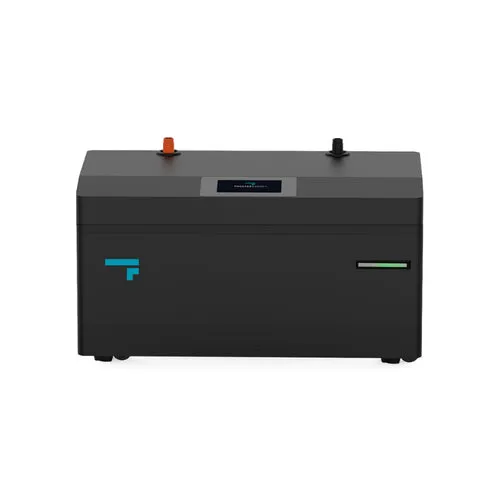
Fogstar Energy Modular Stack, 16.1kWh moduleImage: Fogstar 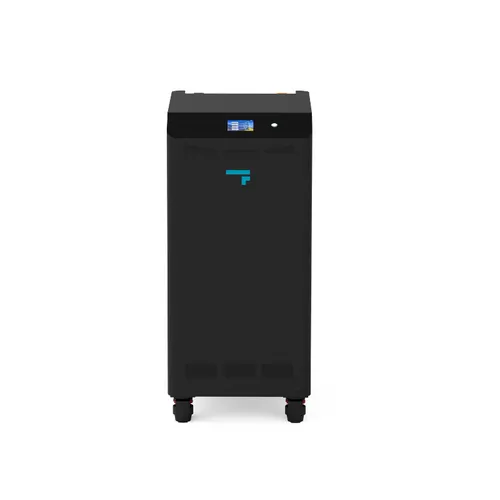
Fogstar Energy 48V 32kWhImage: Fogstar
Who Fogstar is and how it sells
Fogstar is a UK battery seller whose Fogstar Energy range covers home and off-grid storage. It sells the packs online, direct to the buyer, as batteries only or in bundles with an inverter. Because Fogstar sells the battery without fitting, the buyer has to arrange their own electrician, which is why searches such as fogstar installer swansea exist: the battery arrives on a pallet and someone local has to fit it.
That model changes who does what. With a mainstream supply-and-fit battery, one firm designs the system, buys the kit, fits it, notifies everyone and stands behind the whole job. With a Fogstar pack you hold the battery warranty with Fogstar, the installer holds only their workmanship, and the inverter has its own maker. Agree in writing who answers if the system misbehaves before anyone lifts the pack off the pallet.
We have not tested any Fogstar battery. Everything on this page comes from Fogstar's own product pages, spec sheets and warranty booklets, read on 27 November 2026, set against the rules for fitting any home battery. We do not list shop prices.
The Fogstar Energy range, from Fogstar's spec sheets
Every current Fogstar Energy pack we read is LiFePO4 at 51.2 V nominal, with an operating window of 43.2 V to 57.6 V, a battery management system, CAN and RS485 communications and a touchscreen. They connect in parallel only, up to 16 units on most models, and never in series. The differences are capacity, where they can go, cycle rating and warranty.
Fogstar marks most packs as within the 20 kWh per-unit limit it quotes from PAS 63100:2024, the fire safety specification for batteries in dwellings. The 32 kWh page does not carry that line, and Fogstar describes it for off-grid, backup and commercial use, so treat it as a pack for an outbuilding or a commercial room rather than a hallway. See battery location and fire safety.
Some packs were not in stock when we checked. Fogstar listed the 20 kWh ECO as a pre-order due in mid-February 2027 and the next modular stack batch as February 2027, and said the black ECO 16.1 kWh is not available until February 2027, with the white version still on sale.
| Pack | Energy | Where it goes | Warranty |
|---|---|---|---|
| Stackable 5.12kWh | 5.12 kWh | Not stated as IP rated | 6 years |
| IP65 10kWh | 10 kWh | Indoors or outdoors, IP65, wall brackets | 6 years |
| ECO 16.1kWh | 16.1 kWh | Dry, protected place; no IP rating stated | 6 years |
| IP65 16.1kWh | 16.08 kWh | Indoors or outdoors, IP65 | 10 years |
| ECO 20kWh | 20 kWh | Indoors only, IP20 | 8 years, 70% after 8 |
| Modular stack module | 16.1 kWh, up to 64.4 kWh a stack | Indoors or outdoors, IP65 | 6 years |
| 32kWh | 32 kWh | Not marked for dwellings | 6 years |
Cycles, current and weight
Fogstar's cycle figures are stated at a depth of discharge, which matters when you compare them. The IP65 16.1 kWh is rated at 8,000 cycles at 95%, the ECO packs, modular module and 32 kWh at 8,000 cycles at 91%, and the 10 kWh and stackable 5.12 kWh at 6,000 cycles at 91%. These are maker ratings, not warranty promises; the booklets say normal capacity loss is not a defect.
Maximum current tells the installer what the inverter can pull and what fusing and cable the job needs. Weight tells you how many people and what lifting gear the day needs. The 20 kWh ECO spec sheet says it weighs 143 kg and should be installed only by a qualified person using suitable lifting equipment and a site-specific risk assessment.
| Pack | Cycles (depth) | Max discharge | Weight |
|---|---|---|---|
| Stackable 5.12kWh | 6,000 (91%) | 100 A | 48 kg |
| IP65 10kWh | 6,000 (91%) | 200 A | 98 kg |
| ECO 16.1kWh | 8,000 (91%) | 200 A | 122.5 kg |
| IP65 16.1kWh | 8,000 (95%) | 200 A | 128.8 kg |
| ECO 20kWh | 8,000 (91%) | 200 A | 143 kg |
| Modular module | 8,000 (91%) | 150 A | 148 kg |
| 32kWh | 8,000 (91%) | 300 A | 233 kg |
Inverter compatibility
A Fogstar pack is a low-voltage DC battery. It needs a hybrid or battery inverter designed for a 48 V battery, and the two have to talk to each other so the inverter charges and discharges within the battery's limits. Fogstar's packs carry pre-loaded communication protocols, chosen on the battery's touchscreen.
The lists vary by model. The product pages name LuxPower, Sunsynk, Solis and Victron on most packs, Voltacon on the ECO 16.1 kWh and modular stack, and Sofar, GoodWe and Growatt on the IP65 16.1 kWh. Fogstar's supported inverters page for its ESR51.2 rack battery lists Victron, Sofar, SunSynk, Solis, GoodWe and Growatt, and says most popular inverters work through the Pylontech protocol, with manual programming as the fallback.
Read those lists as a starting point. Fogstar's warranty booklets say its compatibility information is for guidance only, and they exclude communication faults from incorrect protocol selection, inverter settings, unsupported firmware and changes made by inverter makers. Pick the inverter first, confirm the protocol with Fogstar and the inverter maker, and have the installer record the settings at commissioning.
What the installer has to do to fit and notify it
A Fogstar pack is fitted like any other home battery, and the paperwork is the same. Three sets of rules apply: building regulations for the electrical work, the network operator's rules for the inverter, and Fogstar's own installation instructions, which the warranty depends on.
Part P covers electrical work in homes in England and Wales. The Planning Portal says a complete new circuit or a new consumer unit is notifiable. A battery normally needs its own circuit, so a registered competent person self-certifies the work, or building control has to be told before work starts. In Wales special locations also include kitchens and outdoors, which catches an outdoor IP65 pack. Scotland uses a separate building standards system. See Part P and home batteries.
The network operator cares about the inverter, not the battery. If the inverter output, added to any solar inverter, is 16 A per phase or less and every unit is type tested, it is a G98 notification after commissioning, though some operators want more: SSEN says a second generator at the address, such as a battery beside existing solar, needs an application before connecting. Above 16 A it is a G99 application, often on the fast track. A large Fogstar pack on a small inverter can still be G98, because kWh does not decide the route. The G98 or G99 route finder works it out from the inverter sizes, and G98 and G99 for home batteries explains the forms.
- Part P notification or self-certification for the new circuit
- G98 notification or G99 application for the inverter, by the installer
- DC cabling, fusing and isolation rated for the pack's current
- Mounting and location to Fogstar's instructions and the fire safety guidance
- Commissioning records, inverter settings and a schematic, which Fogstar may ask for in a claim
Can a Fogstar battery be on an MCS certificate?
MCS certifies installers and installations. Its battery storage guidance says you receive an MCS certificate within 10 working days of completion, and that the certificate is needed for some grants and incentives. For solar panels there is an MCS product standard. ESS News reported on 30 October 2026 that no equivalent product standard yet exists for battery storage, and that MCS was consulting on one, with no implementation date and a transition period promised.
So the pack itself is not what stops an MCS certificate today. What decides it is the installer: they must be MCS certified for battery storage, they must be willing to design and register a system around a battery you supplied, and the rest of the system must meet the scheme. Some firms only fit kit they supply themselves, so ask early and get the answer in writing. Check the firm on the MCS installer search rather than trusting a logo. See MCS and home batteries.
Decide what you want the certificate for before you choose the installer. MCS says certificates are needed for some grants and incentives, and lenders, insurers and buyers may ask for one, so if any of those matter to you, make MCS registration a condition of the quote.
Warranty conditions in Fogstar's booklets
We read the 2026 warranty booklets for the ECO 16.1 kWh, IP65 16.1 kWh, 10 kWh, 32 kWh and modular battery. They share the same structure. The warranty runs from the date of purchase and applies only to packs bought from Fogstar or an authorised Fogstar reseller, installed, commissioned and operated to Fogstar's published instructions. Proof of purchase is required.
Fogstar repairs or replaces a pack that its own inspection finds has failed through a defect in materials or workmanship, such as a cell, BMS, heater or display failure. Replacements may be new or refurbished. Normal capacity loss with age and cycling is not a defect. The 20 kWh ECO is the exception in the range: its spec sheet and product page promise at least 70% of the original energy after 8 years, subject to the warranty terms.
The exclusions are long, and several matter for a self-arranged install. They include installation that does not comply with electrical regulations, building regulations or local energy storage standards, under-rated cables or fuses, wrong terminal torque, mixing batteries of different ages or makes, series connection, opening the enclosure, changing BMS settings, and water damage to packs that are not IP rated. If Fogstar finds no defect, it may charge for collection, inspection and return. Fogstar also offers technical support for up to 10 years, which its booklets say is separate from the warranty and does not extend it.
What drives the cost of fitting one
We do not have a sourced planning range for fitting a customer-supplied battery, so this page gives no labour figure. These are the things that move a fitting quote up or down, and the lines to ask for separately so two quotes can be compared.
On VAT, HMRC's Notice 708/6 says the zero rate for installing energy-saving materials, which includes batteries in homes, applies to the installation service even when the customer bought the materials directly from a retailer. The battery itself, sold by a retailer without installation, is standard-rated. The temporary zero rate runs to 31 March 2027. See VAT on supply-only and fitted batteries.
- Whether the installer supplies the inverter or fits one you bought
- Handling a pack of 98 kg to 233 kg, and access to where it goes
- DC cable runs, busbar, fusing and isolation for high currents
- Consumer unit changes, earthing and any backup circuit
- A G99 application and any export limitation scheme
- MCS registration, if the firm offers it for your system
- Workmanship cover on kit the installer did not supply
How to find someone to fit one, including in Swansea
Fogstar's own installer and retailer locator is the starting point. On 27 November 2026 it listed 60 entries tagged as installers for Fogstar Energy solar batteries, separate from its van, motorhome and marine installers. Fogstar's product pages call these Fogstar Approved Installers, but the pages we read do not say what the approval involves.
For Swansea, the locator listed two Fogstar Energy installers with nearby postcodes, one in SA1 and one in Neath, SA11. A third Swansea entry was tagged for Fogstar's van and motorhome batteries, not home storage. You can also ask for quotes here and say you want a Fogstar Energy battery. Whoever fits it, ask for their competent person scheme and, if you want it, their MCS certificate number, and check both on the public registers.
If no listed firm suits, any qualified electrician who fits home batteries can fit a Fogstar pack, provided they will follow Fogstar's instructions and handle the notifications. Our Swansea and Neath pages cover local battery installers more widely.
Frequently asked questions
Can I install a Fogstar battery myself?
Fogstar's 20 kWh ECO spec sheet says to install only by a qualified person, and every warranty booklet we read excludes installation that breaks electrical or building regulations. A new battery circuit is notifiable under Part P, and the inverter has to be notified to the network operator by an installer. In practice that means a qualified electrician.
What chemistry and voltage are Fogstar Energy batteries?
Lithium iron phosphate (LiFePO4) at 51.2 V nominal, sold as 48 V batteries, with an operating range of 43.2 V to 57.6 V on the packs we read. They need an inverter built for a low-voltage battery.
How long is the Fogstar battery warranty?
Six years on the ECO 16.1 kWh, 10 kWh, modular stack, stackable 5.12 kWh and 32 kWh, eight years on the 20 kWh ECO and ten years on the IP65 16.1 kWh, from the date of purchase, per Fogstar's pages and booklets checked on 27 November 2026.
Does a Fogstar battery need G99?
That depends on the inverter, not the battery. If the battery inverter plus any solar inverter is 16 A per phase or less, it is usually a G98 notification. Above that it is G99, and many homes qualify for the fast track.
Which inverters work with Fogstar batteries?
Fogstar's pages list LuxPower, Sunsynk, Solis and Victron on most packs, with Sofar, Voltacon, GoodWe and Growatt on some lists, and say many other inverters work through the Pylontech protocol. Fogstar says the list is guidance only, so confirm the exact pairing before buying.
Is there a Fogstar installer in Swansea?
Fogstar's locator, checked on 27 November 2026, listed two Fogstar Energy installers near Swansea, one in SA1 and one in Neath (SA11). You can also ask for quotes here and name the Fogstar battery you want. Whoever you use, check their registrations before booking.
Will I get 0% VAT if I buy the Fogstar battery myself?
Not on the battery: HMRC says a retailer's sale of energy-saving materials is standard-rated. The installer's fitting service can still be zero-rated, because the relief covers installing materials the customer bought directly from a retailer.
Want a real price for your home?
Figures here are a guide. An installer still needs to see your fuse board, where the battery will go and whether you want backup. Tell us your postcode and local installers will quote.
Related guides


Sources
- Fogstar: Fogstar Energy Stackable 48V 5.12kWh Battery (product page)
- Fogstar: Fogstar Energy IP65-Rated 10kWh 48V Battery (product page)
- Fogstar: Fogstar Energy ECO 48V 16.1kWh Solar Battery (product page)
- Fogstar: Fogstar Energy IP65-Rated 16.1kWh 48V Solar Battery (product page)
- Fogstar: Fogstar Energy ECO 48V 20kWh Solar Battery (product page)
- Fogstar: Fogstar Energy IP65-Rated 48V 16.1kWh Modular Battery Stack (product page)
- Fogstar: Fogstar Energy 48V 32kWh Battery, heating and fire suppression (product page)
- Fogstar: warranty document, 48V 16.1kWh ECO (June 2026)
- Fogstar: warranty booklet, 16.1kWh IP65 battery (2026 V1)
- Fogstar: warranty booklet, 10kWh battery (2026 V2)
- Fogstar: warranty booklet, 32kWh battery
- Fogstar: warranty booklet, modular battery (V2)
- Fogstar: 20kWh ECO technical specification sheet
- Fogstar: 16.1kWh IP65 technical specification sheet
- Fogstar: Fogstar Energy ESR51.2 supported inverters
- Fogstar: installer and retailer locator
- Planning Portal: electrics, building regulations general information
- IET: Part P England and Wales, certification schemes
- HMRC: VAT on energy-saving materials and heating equipment (VAT Notice 708/6)
- MCS: battery storage, consumer guidance
- MCS: find an installer
- ESS News, 30 October 2026: UK battery product standard in development for small-scale installations